
Surrealism: Where Dreams, Reality and the Subconscious Collide
Surrealism is one of the most fascinating and influential art movements of the 20th century, reshaping how we understand creativity, imagination and reality itself. Emerging in the early 1920s, it invites viewers into a world where logic is suspended and the unconscious mind takes centre stage. For anyone searching for surrealism art, dreamlike imagery, or modernist cultural movements, Surrealism remains a defining force that continues to inspire artists, filmmakers and designers today.
At its core, Surrealism was about breaking free from rational thought. The movement was formally launched by the French writer André Breton, who published the Surrealist Manifesto in 1924. He believed that true creativity came from unlocking the subconscious mind, often through dreams, free association and unexpected juxtapositions. This radical idea challenged traditional artistic rules and opened the door to limitless experimentation.
Surrealist artists sought to depict strange, dreamlike scenes that felt both familiar and unsettling. One of the most iconic figures of the movement is Salvador Dalí, known for his melting clocks, distorted landscapes and hyper-realistic technique combined with impossible imagery. His work captures the essence of Surrealism: visually convincing yet completely irrational.
Another key artist, René Magritte, took a different approach. His paintings often present ordinary objects in unexpected contexts, accompanied by thought-provoking contradictions between image and language. Works such as The Treachery of Images challenge viewers to question perception itself, famously reminding us that “this is not a pipe” beneath the depiction of one.
Surrealism was not limited to painting. It influenced sculpture, literature, photography, theatre and film, spreading across Europe and beyond. Artists experimented with techniques like collage, frottage and automatic drawing to bypass conscious control and tap directly into the imagination.
Today, Surrealism continues to shape contemporary visual culture, from advertising and digital art to cinema and fashion. Its legacy lies in its ability to push boundaries and encourage us to see the world differently—where the impossible becomes possible, and reality is only the starting point.
Whether you are discovering Surrealism for the first time or revisiting its rich history, the movement offers an endlessly intriguing journey into the depths of human creativity and the mysterious landscapes of the mind.
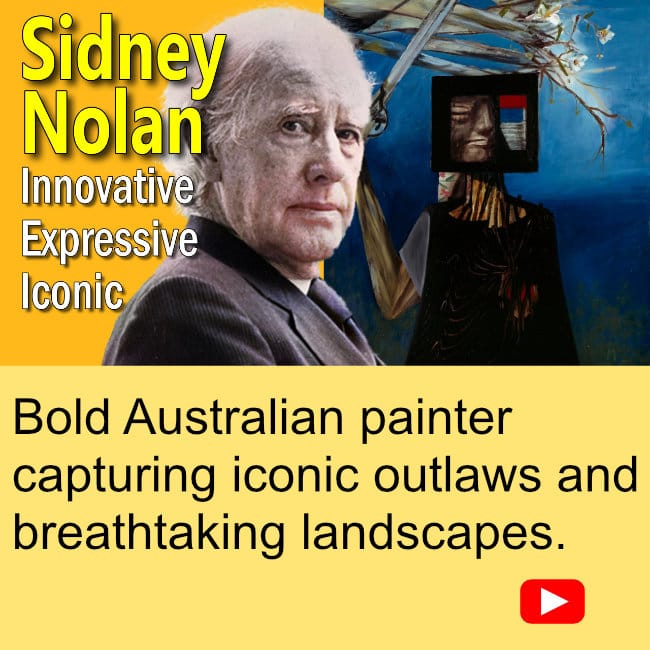
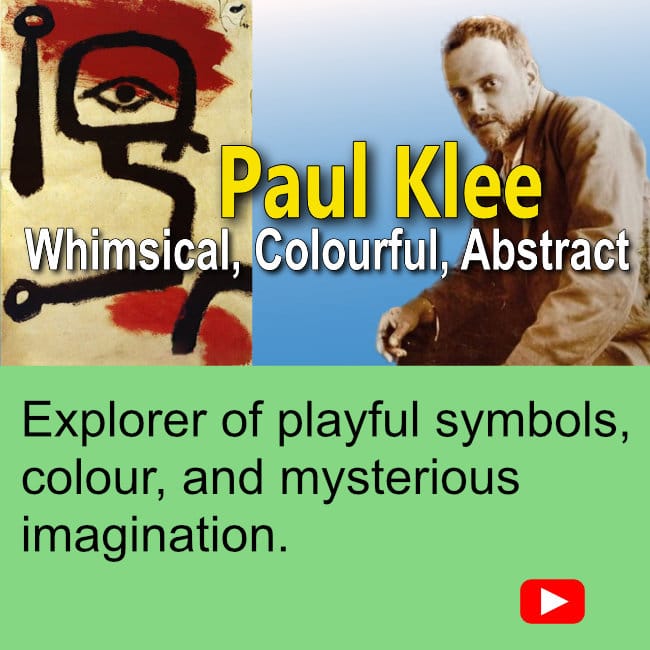
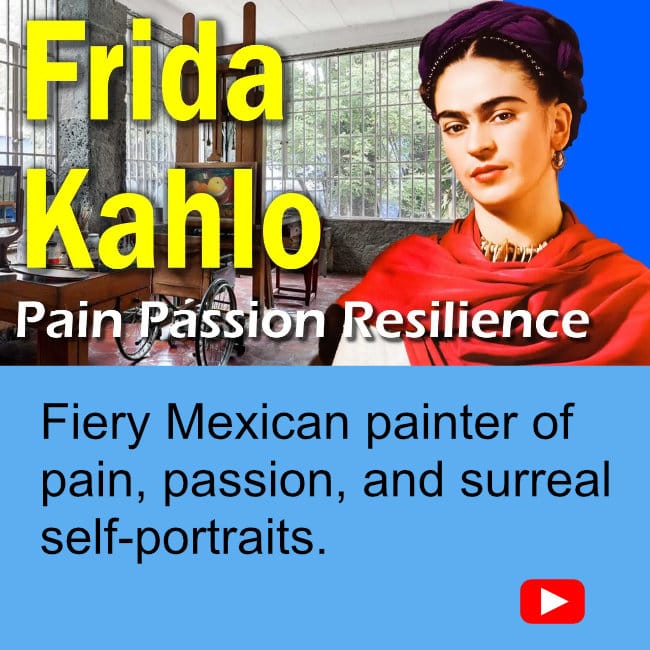
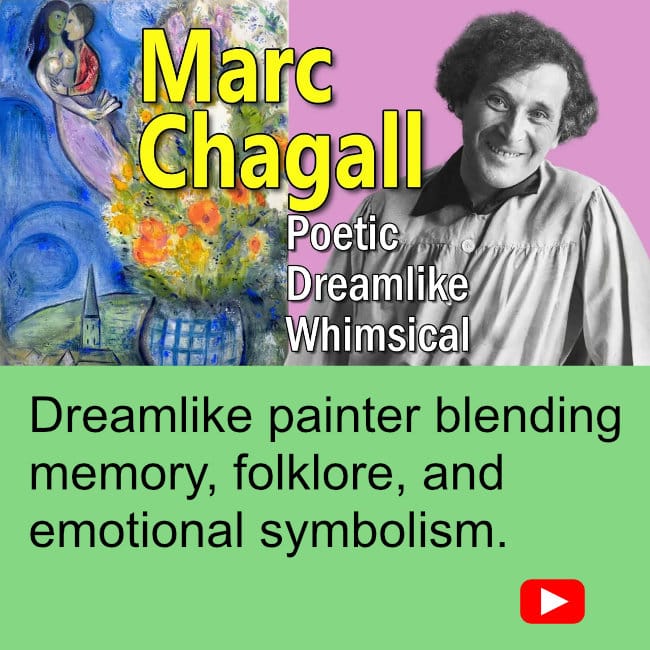
Please note: These artists are known for surrealism, though many went on to explore other styles as well.


If you enjoyed learning about Surrealist artists, take it a step further—discover Expressionist artists.