
Postmodernism emerged during the late 1960s and flourished throughout the 1970s and 1980s and into the 1990’S, fundamentally changing the way artists approached creativity, culture and meaning. Rejecting the idea that art should follow a single style or universal truth, Postmodernism embraced diversity, contradiction and experimentation. Rather than seeking entirely new forms of expression, Postmodern artists often borrowed from history, popular culture and mass media, combining influences in unexpected and thought-provoking ways. The result was a movement that questioned traditional ideas about originality, authorship and the very definition of art.
Unlike earlier movements that were united by a distinctive visual style, Postmodernism is characterised by its openness and variety. Painting, sculpture, photography, installation, performance and digital media all became equally valid means of artistic expression. Artists freely mixed classical references with contemporary imagery, high art with popular culture, and serious themes with humour, irony and satire. This willingness to challenge convention made Postmodernism one of the most influential and wide-ranging movements in contemporary art.
One of the leading figures associated with Postmodernism is Jean-Michel Basquiat, whose expressive paintings combined graffiti, text, symbolism and social commentary. His work explored issues of race, identity, history and power while drawing inspiration from street culture, music and popular imagery. David Hockney, although associated with several artistic movements throughout his career, made an important contribution to Postmodern art through his playful exploration of perspective, photography and digital technology, continually challenging traditional ways of seeing.
Cindy Sherman transformed contemporary photography with her ground breaking series of self-portraits, adopting fictional identities to examine gender, representation and media stereotypes. Her work questioned ideas of identity and authenticity, themes that became central to Postmodern thought. Barbara Kruger combined bold typography with striking photographic imagery to create provocative works addressing consumerism, politics, feminism and mass communication. Her instantly recognisable visual style continues to influence graphic design and contemporary visual culture.
Another highly influential artist is Jeff Koons, whose polished sculptures of everyday objects and popular icons blur the boundaries between fine art, advertising and consumer culture. Similarly, Damien Hirst became one of Britain’s most prominent contemporary artists, exploring themes of life, death, science and commerce through installations that continue to provoke debate around the world.
Postmodernism encouraged artists to question accepted narratives and embrace multiple perspectives. Appropriation, parody, pastiche and cultural references became powerful creative tools, allowing artists to reinterpret familiar images and challenge viewers’ assumptions. Rather than presenting straightforward answers, Postmodern art invites discussion, interpretation and personal reflection.
Today, the influence of Postmodernism can be seen throughout contemporary art, architecture, fashion, graphic design and digital culture. Its legacy lies in its celebration of creative freedom and its willingness to break down barriers between artistic disciplines. Exploring Postmodernism offers a fascinating insight into a movement that continues to shape the visual world around us. Discover the artists, ideas and ground breaking works that redefined contemporary art and challenged audiences to see culture from entirely new perspectives.
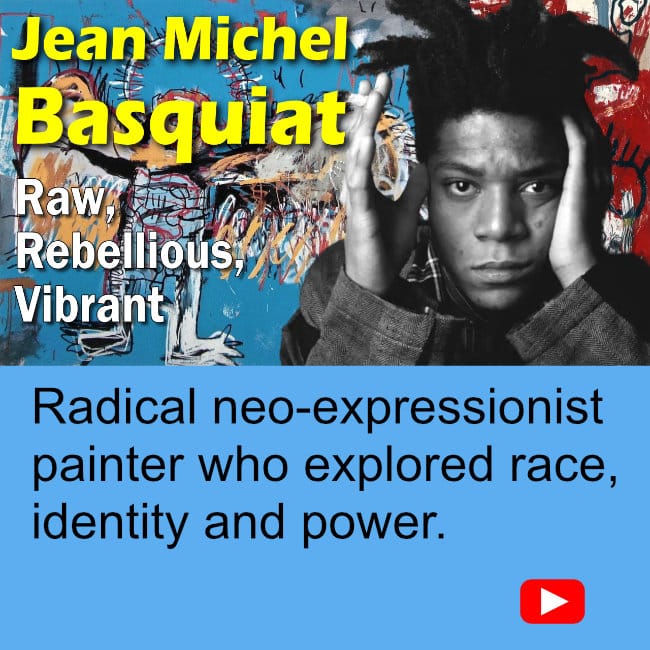
Here are standout examples of work by leading Postmodernist artists.
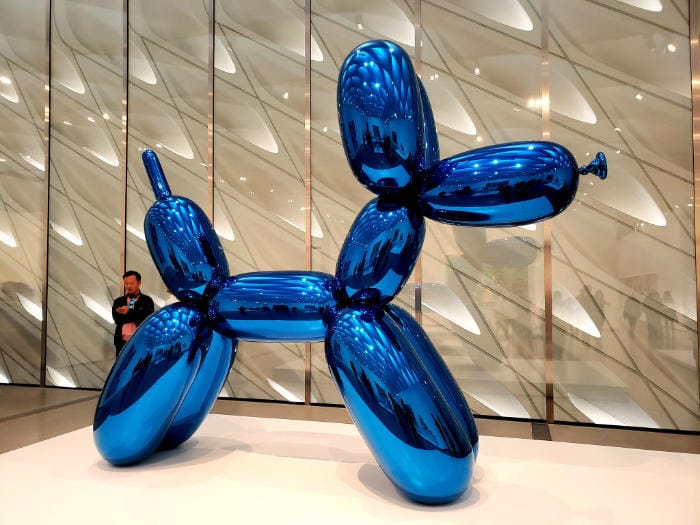
Jeff Koons – ‘Balloon Dog’ c.1994
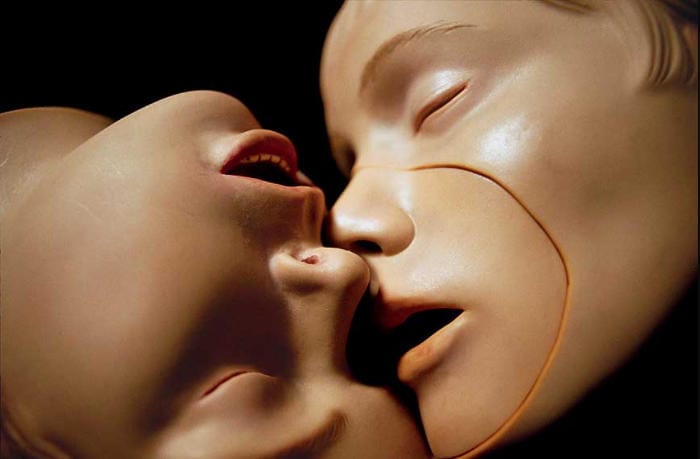
Cindy Sherman – ‘Untitled’ 1994
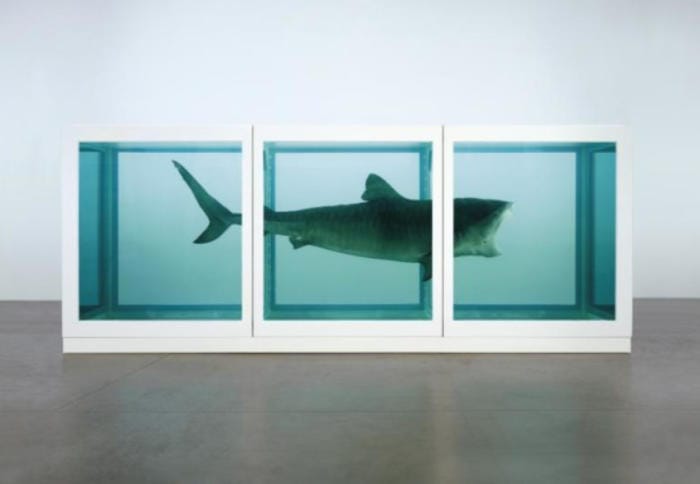
Damien Hirst – ‘The Physical Impossibility of Death in the Mind of Someone Living’ 1991