
Post-Impressionism emerged in the late 19th century as a bold and expressive reaction against the naturalism of Impressionism. While Impressionist painters focused on capturing fleeting light and everyday scenes, Post-Impressionist artists pushed beyond visual observation to explore emotion, symbolism, structure, and personal meaning. The result was a diverse and revolutionary movement that laid crucial groundwork for modern art.
Rather than forming a single unified style, Post-Impressionism is best understood as a collection of individual approaches united by a shared desire to go further than Impressionism allowed. Artists began to experiment with stronger colours, more defined forms, and increasingly subjective interpretations of the world around them. Reality was no longer something to be simply recorded—it was something to be reimagined.
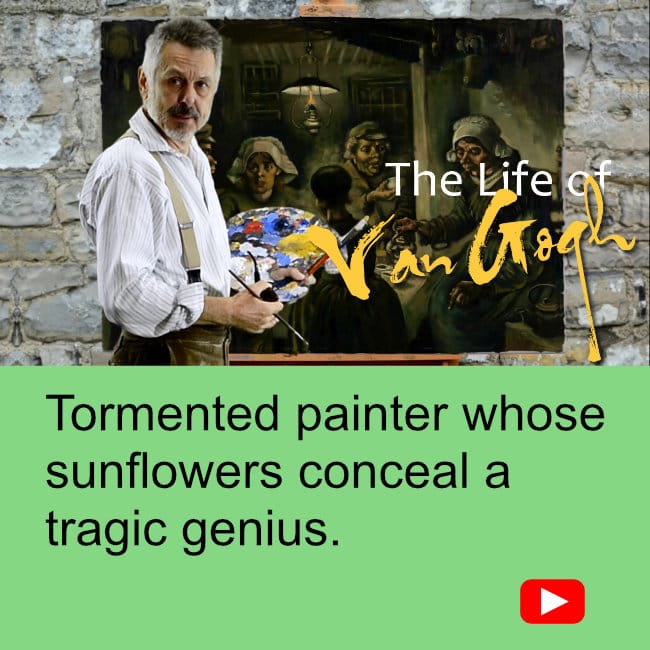
One of the most influential figures associated with the movement was Vincent van Gogh, whose emotionally charged brushwork and vivid colour palettes transformed ordinary subjects into powerful expressions of inner experience. His works such as Starry Night continue to captivate audiences with their intensity and movement.
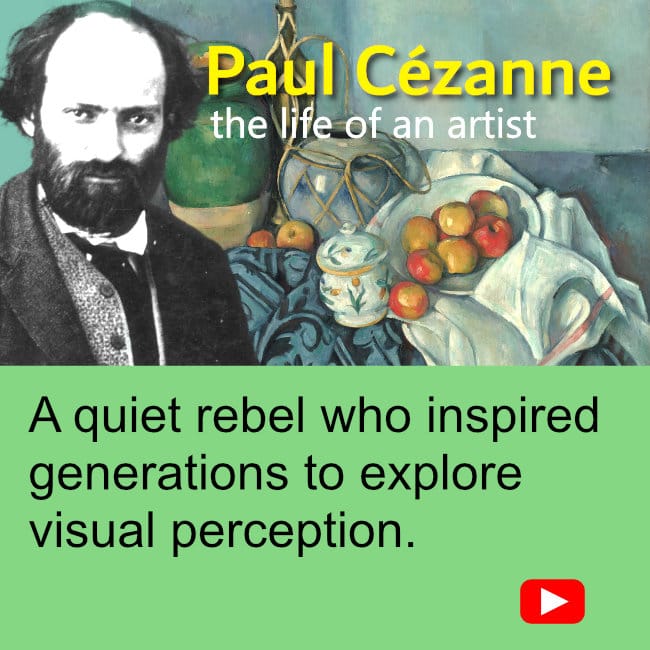
Another key pioneer was Paul Cézanne, often regarded as a bridge between Impressionism and Cubism. Cézanne sought to bring order and structure to nature, using geometric simplification to reveal the underlying forms within landscapes and still life compositions. His approach fundamentally changed how artists thought about space and composition.
Paul Gauguin also played a vital role in shaping Post-Impressionism. He rejected European industrial society in favour of bold, symbolic works inspired by his travels, particularly in Tahiti. Gauguin’s use of flat colour planes and strong outlines helped pave the way for later movements such as Symbolism and Fauvism.
What makes Post-Impressionism so compelling is its diversity. There is no single technique or philosophy that defines it, but rather a shared spirit of innovation. Artists prioritised emotional depth, structural experimentation, and symbolic meaning over strict realism. This freedom allowed them to break away from tradition and redefine what art could be.
Today, Post-Impressionism remains one of the most influential movements in art history. Its legacy can be seen in nearly every modern art movement that followed. For viewers and enthusiasts alike, exploring Post-Impressionist works offers a fascinating journey into the moment when art began to truly express the inner world of the artist, not just the outer world they observed.
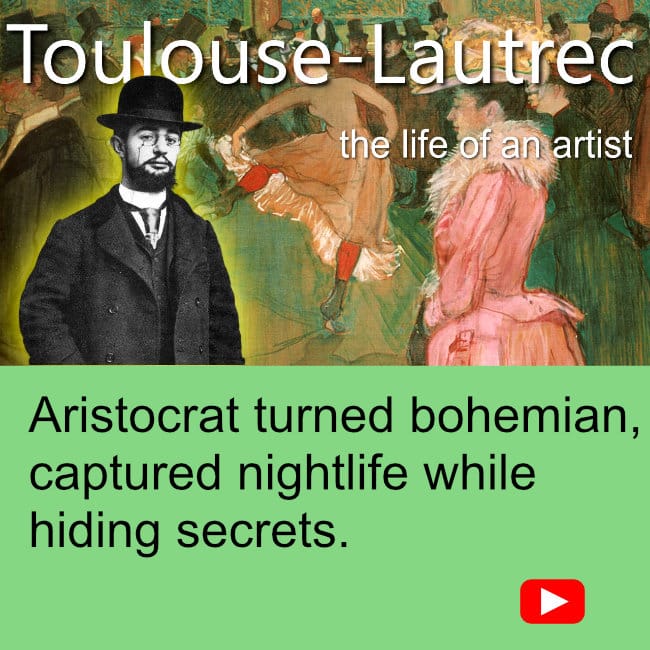
Please note: These artists each created Post-Impressionist works, though many explored or developed other styles over their lifetimes.
If you enjoyed learning about Post Impressionist artists, take it a step further—discover Fauvism