
Expressionism is an art movement that prioritises emotion over realism, offering a raw and often unsettling glimpse into the inner world of the artist. Emerging in the early 20th century, particularly in Germany and Austria, it developed as a reaction against the growing industrialisation of society and the perceived coldness of academic art. Rather than depicting the world as it appears, Expressionist artists sought to portray how it feels, using distortion, exaggeration and vivid, sometimes jarring colour palettes.
At its core, Expressionism is about emotional intensity. Figures are frequently elongated or twisted, landscapes appear unstable, and colour is used not descriptively but symbolically. This approach creates works that can feel deeply personal, even confrontational, drawing the viewer into the psychological state of the artist. The result is art that is less about observation and more about experience.
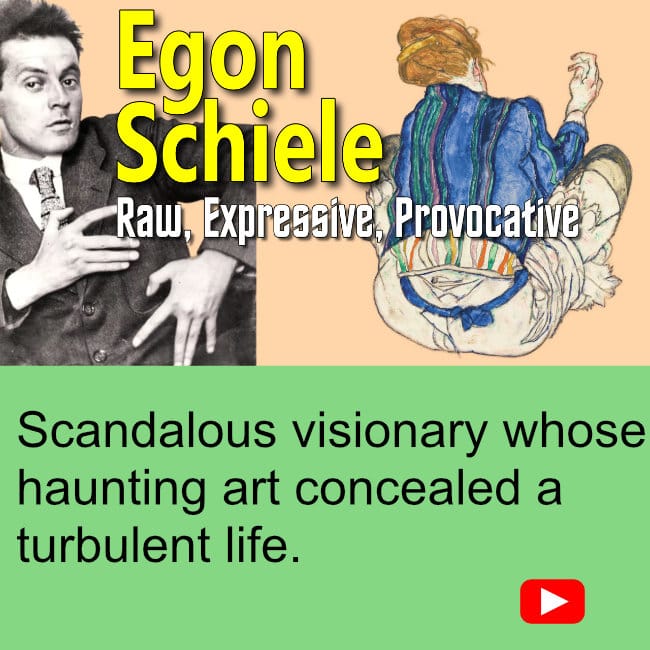
One of the movement’s most iconic precursors is Edvard Munch, whose work famously captured anxiety and existential dread. His painting The Scream remains one of the most recognisable images in modern art history, encapsulating the emotional urgency that would come to define Expressionism. Similarly, Austrian painter Egon Schiele pushed boundaries with his raw, angular depictions of the human form, often exploring themes of identity, mortality and desire with unflinching honesty.
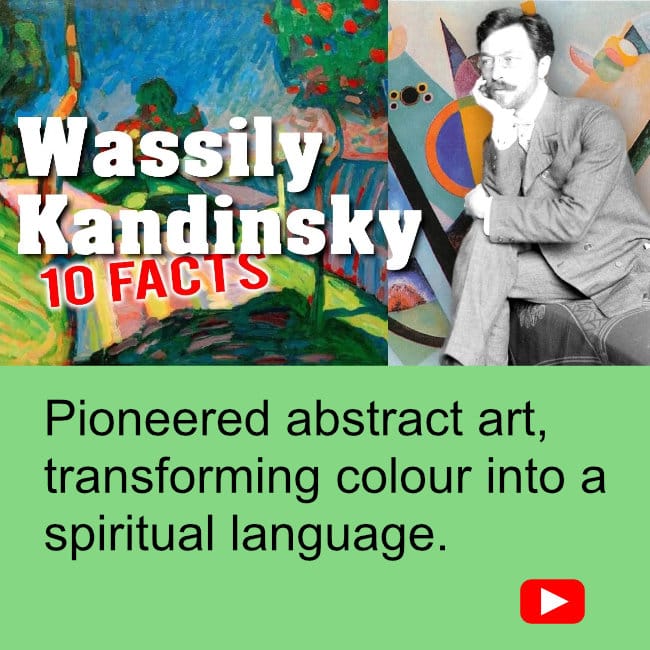
In Germany, groups such as Die Brücke and Der Blaue Reiter helped shape Expressionism into a cohesive movement. Artists like Ernst Ludwig Kirchner used bold lines and heightened colour to depict modern urban life in a way that felt both dynamic and psychologically charged. Meanwhile, Wassily Kandinsky explored abstraction as a means of expressing spiritual and emotional truths, moving further away from physical representation altogether.
Expressionism also extended into music, theatre and literature, influencing composers, playwrights and writers who sought to break away from traditional structures. Across all these forms, the emphasis remained the same: to communicate inner experience rather than external reality.
Today, Expressionism continues to resonate because of its emotional honesty and its willingness to confront the complexities of the human condition. In a world still grappling with uncertainty and rapid change, its distorted forms and vivid emotional language feel as relevant as ever. Exploring Expressionist art is not just a journey through an art movement—it is an invitation to see the world through a more intense, personal lens.
Please note: Expressionism helped shape these artists, but their creativity reached far beyond a single movement.



If you enjoyed learning about Expressionist artists, take it a step further—discover Abstract artists.