
Abstract art is one of the most influential and liberating movements in modern art history. Emerging in the early 20th century, it marked a dramatic shift away from traditional representations of reality. Instead of depicting recognisable objects, people, or landscapes, abstraction focuses on shape, colour, form, and gesture to express ideas, emotions, and experiences in a more intuitive way.
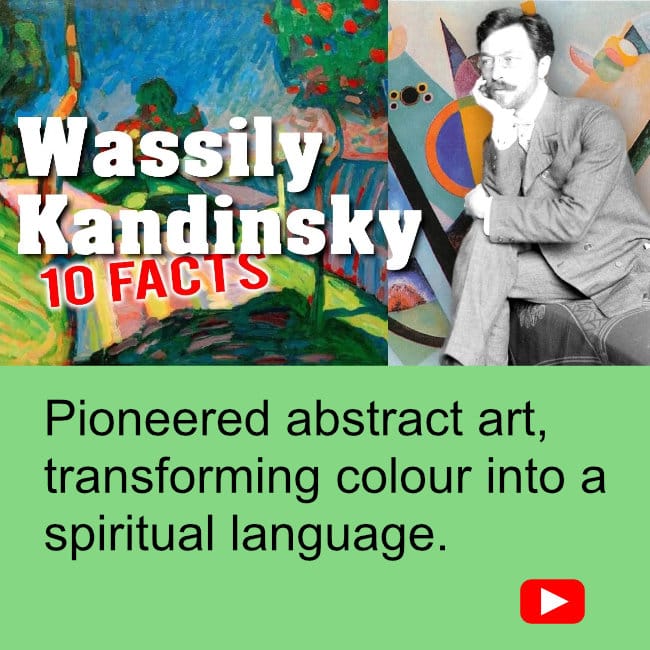
At its core, abstraction asks a simple but powerful question: what if art did not need to imitate the visible world? Artists such as Wassily Kandinsky, often credited as one of the pioneers of abstract painting, believed that visual art could function much like music—evoking feeling without relying on literal subject matter. This approach opened the door to endless experimentation and fundamentally changed how art is created and understood.
The abstraction movement developed in parallel with rapid social, technological, and philosophical change. As the world became more industrialised and urbanised, artists began to move away from realism and explore new ways of interpreting modern life. Cubism, Fauvism, and Expressionism all played a role in this evolution, gradually pushing art towards greater simplification and emotional intensity.
One of the defining features of abstract art is its emphasis on interpretation. There is no single correct way to view an abstract work; instead, each viewer brings their own experiences, emotions, and imagination to the piece. This openness makes abstraction deeply personal and continually relevant, as its meaning can shift over time and between individuals.
Abstract art also celebrates freedom—freedom from rules, from representation, and from expectation. It invites both artists and audiences to engage with art in a more instinctive and sensory way. Bold brushstrokes, dynamic compositions, and unexpected colour combinations all work together to create visual experiences that can be both challenging and captivating.
Today, abstraction remains a vital force in contemporary art, influencing painting, sculpture, digital design, and even architecture. Its legacy can be seen everywhere—from minimalist interiors to expressive street art—proving that its impact is far from confined to galleries and museums.
Whether you are new to abstract art or already fascinated by its possibilities, exploring this movement offers a unique opportunity to see beyond the surface of things. It encourages us to look differently, think differently, and ultimately feel more deeply about the world around us.
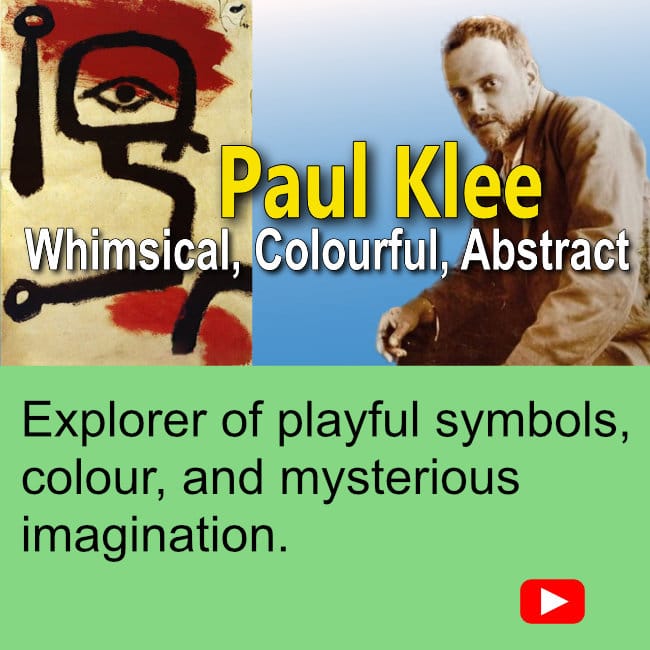
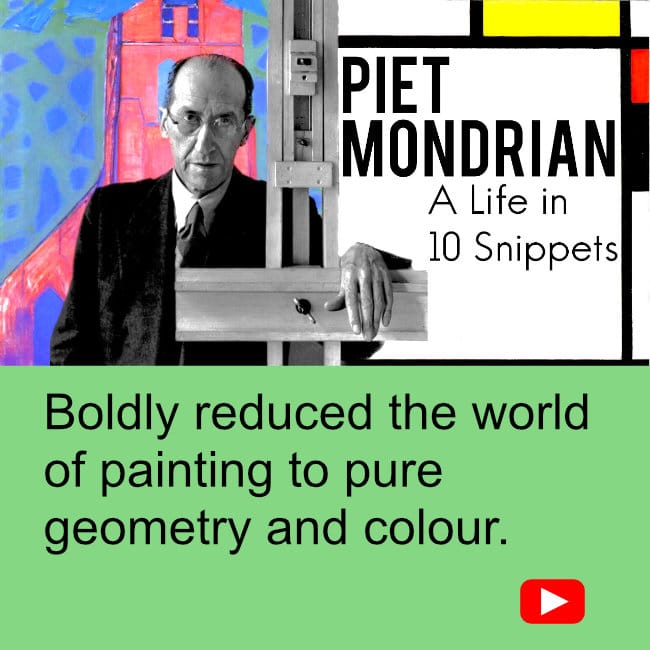
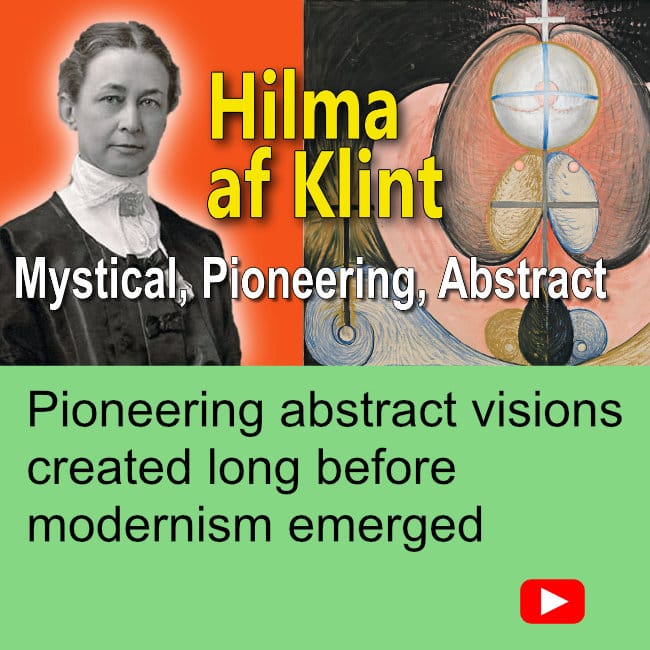
Please note: The following artists all have a connection to abstraction, but many also explored and developed a wide range of artistic styles throughout their careers.
If you enjoyed learning about Abstract artists, take it a step further—discover Pop Artists.