
Cubism stands as one of the most influential and revolutionary art movements of the 20th century, reshaping the way artists and audiences understand form, space, and perspective. Emerging in the early 1900s in Paris, it challenged traditional artistic conventions by rejecting the idea that objects should be depicted from a single, fixed viewpoint. Instead, Cubist artists broke subjects into fragmented planes and geometric shapes, presenting multiple perspectives within a single composition.
At the heart of Cubism are two pioneering figures: Pablo Picasso and Georges Braque. Together, they developed a radical visual language that would influence generations of artists across Europe and beyond. Their collaboration marked the beginning of a movement that would forever alter modern art.
Cubism is often divided into two main phases: Analytical Cubism and Synthetic Cubism. Analytical Cubism, the earlier phase, is characterised by muted colour palettes and highly fragmented forms. Objects are dissected into interlocking geometric shapes, often making them difficult to immediately recognise. This analytical approach invites viewers to engage more deeply, reconstructing the subject in their own mind.
Synthetic Cubism followed, introducing brighter colours, simpler shapes, and the use of mixed media such as collage. This phase marked a shift towards more playful experimentation, incorporating real-world materials like newspaper clippings and patterned paper into artworks. It was here that Cubism began to blur the boundaries between painting and everyday life.
What makes Cubism so compelling is its challenge to perception. Rather than presenting a single, authoritative view of reality, it suggests that truth is multi-layered and subjective. This idea resonated strongly in a rapidly changing world shaped by industrialisation, scientific discovery, and modern urban life.
Today, Cubism continues to inspire artists, designers, and architects. Its influence can be seen in abstract art, digital design, and even contemporary visual culture. From gallery walls to graphic interfaces, the Cubist legacy endures as a powerful reminder that reality can be seen—and understood—in many different ways.
For anyone exploring the evolution of modern art, Cubism offers a fascinating entry point. It is not just a style, but a way of thinking: bold, fragmented, and endlessly innovative.
Please Note: Cubism left its mark on these artists—but their artistic journeys didn’t stop there.
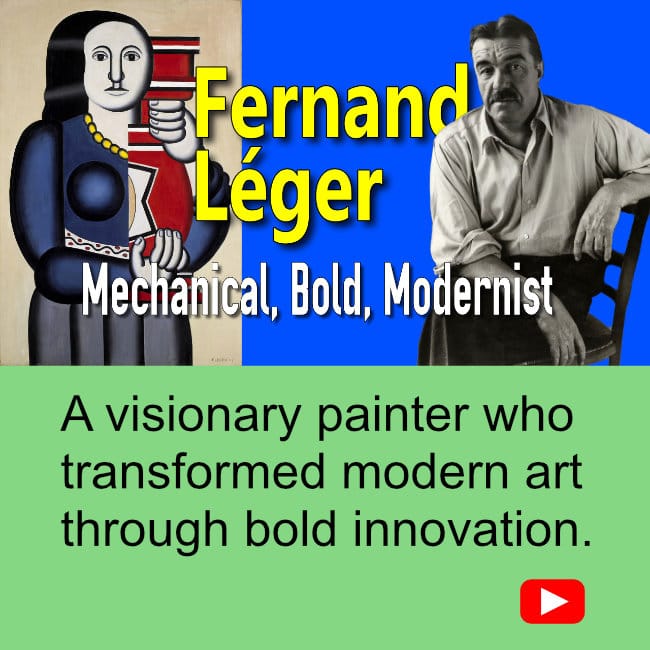
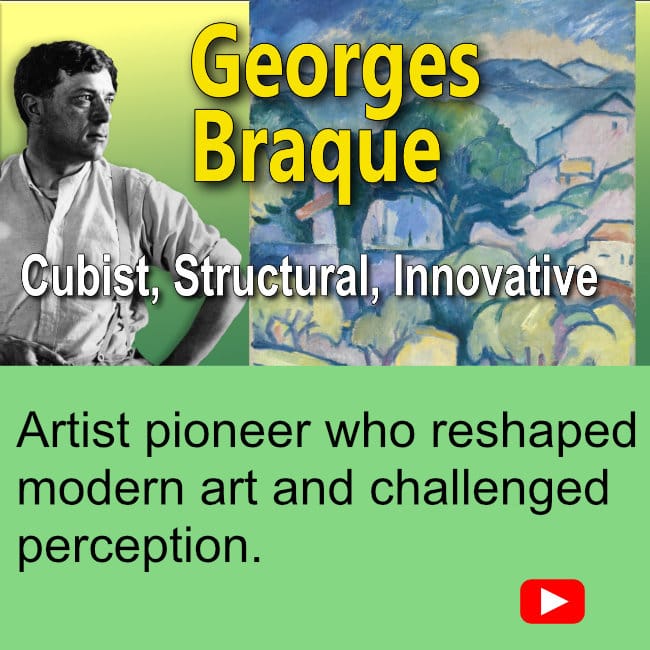




If you enjoyed learning about Cubist artists, take it a step further—discover Surrealist Artists.