
Naïve Art is one of the most distinctive and charming movements in the history of modern painting. Celebrated for its simplicity, honesty and imaginative spirit, it offers a refreshing alternative to the formal traditions of academic art. Emerging in the late nineteenth century and flourishing throughout the first half of the twentieth century, Naïve Art is characterised by its direct approach, vibrant colours and apparent lack of conventional perspective. Rather than striving for technical perfection, Naïve artists created works that captured the world with sincerity, individuality and a remarkable sense of wonder.
The movement is often traced to the remarkable French painter Henri Rousseau, whose dreamlike jungles, exotic landscapes and enchanting portraits challenged artistic conventions despite his lack of formal training. A self-taught artist, Rousseau developed a highly distinctive style that initially puzzled critics but was later admired by leading modern artists, including Pablo Picasso. His work demonstrated that imagination and originality could be every bit as powerful as academic technique, laying the foundations for generations of self-taught and independent artists.
Unlike many artistic movements, Naïve Art was never bound by a strict manifesto or shared philosophy. Instead, it united artists through a common visual language of simplified forms, flattened perspective, bold outlines and rich, luminous colour. Everyday life, rural landscapes, bustling towns, family scenes and moments of quiet celebration became favourite subjects, painted with warmth, optimism and an unmistakable personal touch. The resulting works often possess a timeless quality, inviting viewers to experience familiar scenes through fresh and uncomplicated eyes.
Across Europe, Naïve Art flourished in many different forms. Croatian artist Ivan Generalić became one of the leading figures of the Hlebine School, capturing the traditions and landscapes of rural life with extraordinary detail and storytelling. In Georgia, Niko Pirosmani produced evocative paintings of local people, animals and village life that have become icons of national culture. American painter Grandma Moses gained international acclaim for her nostalgic depictions of country life, proving that artistic success could come at any stage of life and inspiring countless self-taught artists around the world.
In Britain, L. S. Lowry developed a highly individual style that shares many qualities with Naïve Art, despite resisting the label himself. His instantly recognisable industrial landscapes, populated by his famous “matchstick” figures, captured the rhythm of everyday life in the towns and cities of Northern England. Beneath their apparent simplicity lies a profound observation of working-class communities, making Lowry one of Britain’s most beloved twentieth-century artists.
Naïve Art celebrates creativity without constraint. Its appeal lies not in technical complexity but in its emotional honesty, storytelling and unique perspective. Many Naïve artists were self-taught, bringing an authenticity and freshness that continues to resonate with audiences today. Their paintings remind us that great art is not defined solely by formal training, but by imagination, observation and the ability to connect with the viewer.
Today, Naïve Art remains one of the most accessible and universally admired styles of painting. Its influence can be seen in contemporary folk art, illustration and modern figurative painting, while its timeless themes continue to attract collectors and art lovers across the world. Explore our collection to discover the enchanting works of Henri Rousseau, L. S. Lowry and other celebrated Naïve artists, and experience a movement that proves simplicity, imagination and sincerity can create art of extraordinary and enduring beauty.
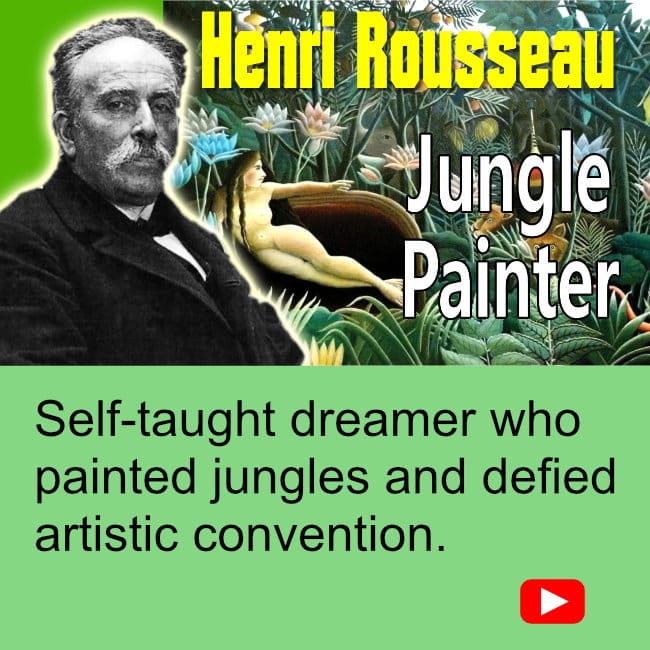
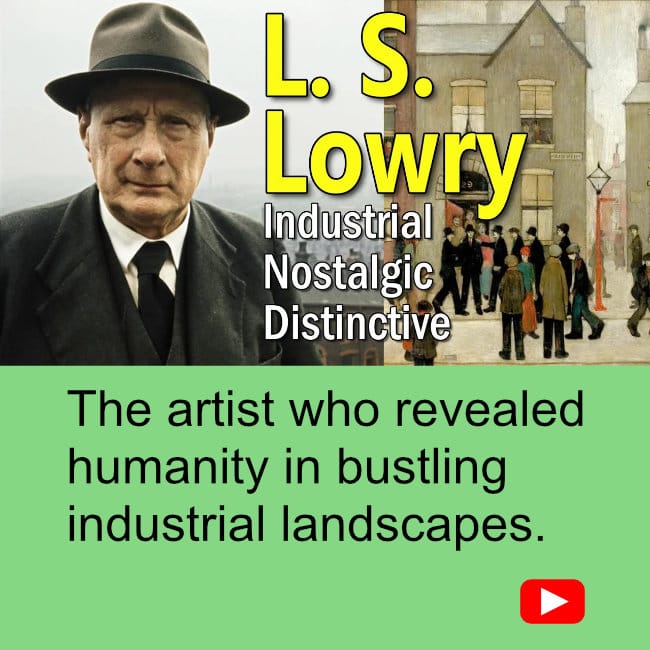
Here are standout examples of work by leading Naïve artists.
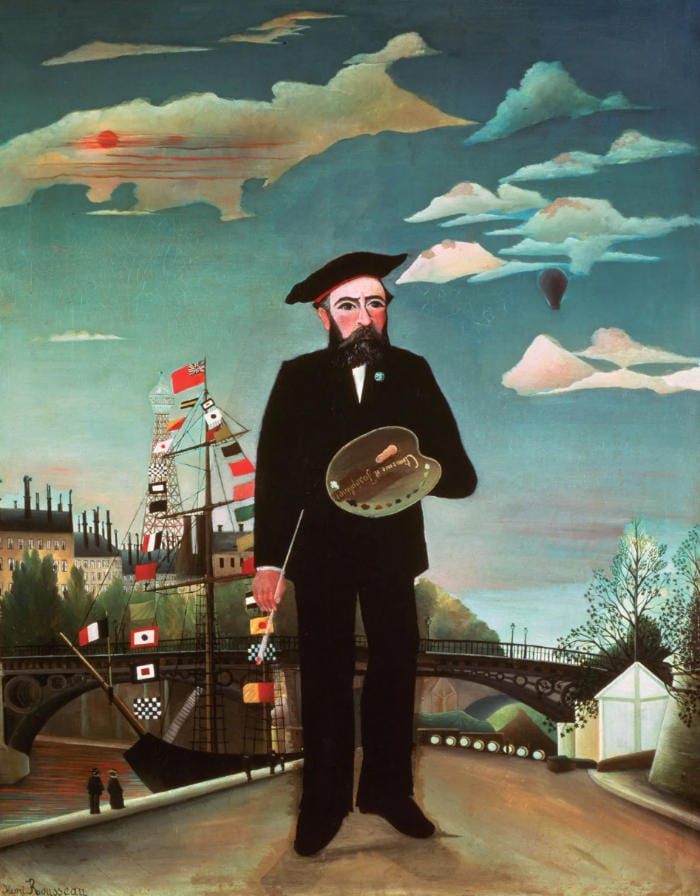
Henri Rousseau – ‘Myself: Portrait – Landscape’ 1890
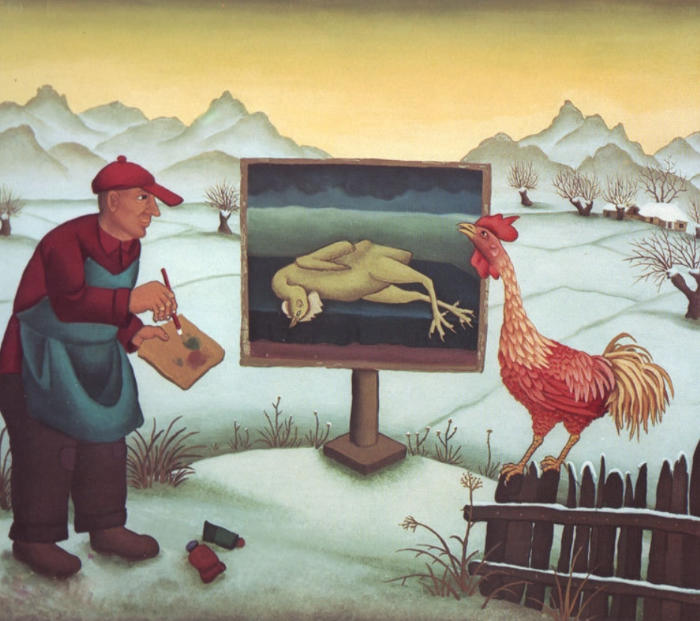
Ivan Generalić – Painting in Winter 1964
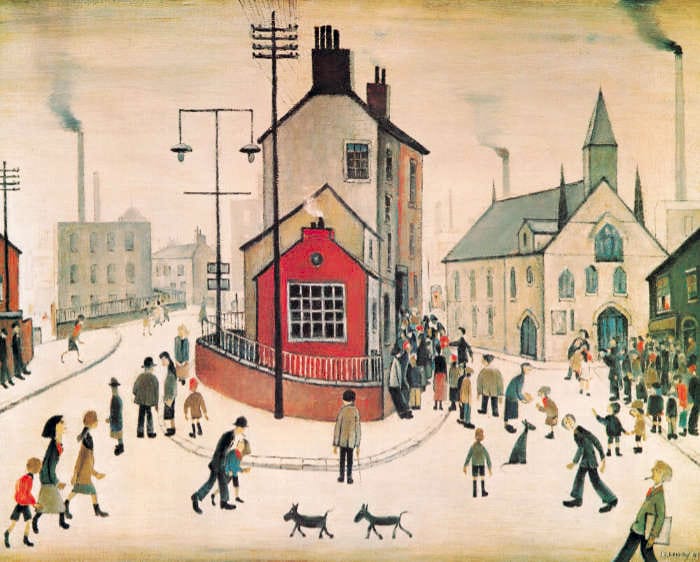
L S Lowry – ‘A Street in Clitheroe’ 1957
Want to explore more? Why not discover the delights of Impressionism?